by
by 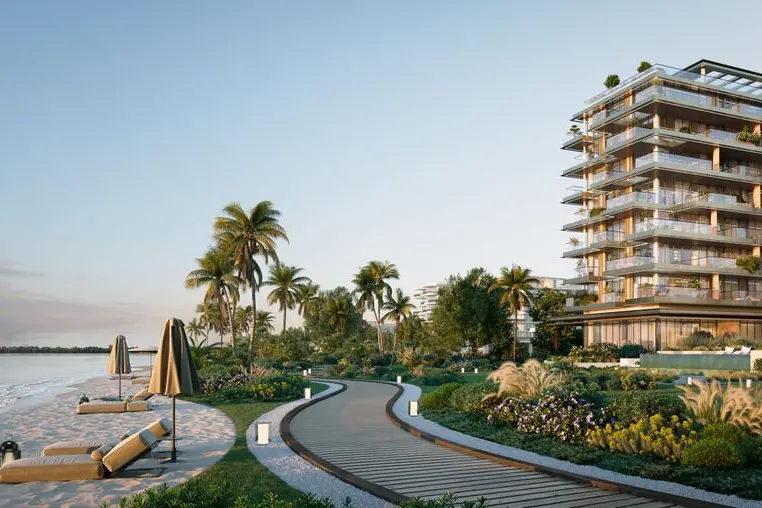
Dubai’s real estate market has a habit of evolving in quiet but decisive ways. Every few years, a new concept emerges—not loudly, but with enough clarity to shift how the entire industry thinks.
Right now, that shift is happening at the intersection of hospitality and residential living.
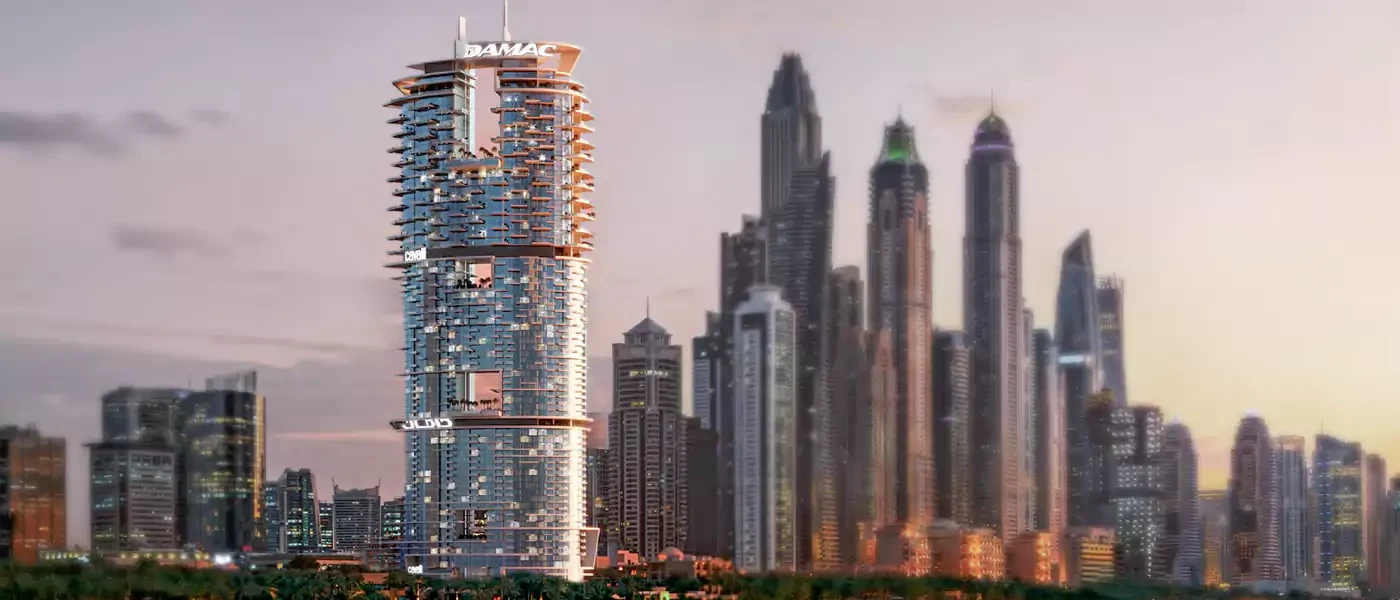
And projects like Cheval Residences Dubai Islands are a strong signal of where things are heading next.
Where the Story Begins
Along the shoreline of Dubai Islands, a new chapter in urban living is quietly unfolding. Not with the scale of mega-towers or record-breaking heights—but with a more subtle idea:
What if a home could feel like a hotel, but still belong to you?
This is the space where branded residences sit. And this project is part of a much larger global movement redefining ownership itself.
A Hospitality Brand Expanding Its Role
When Cheval Collection stepped deeper into Dubai’s real estate landscape, it wasn’t starting from scratch. The brand already operates serviced residences in key locations like Palm Jumeirah and Expo City.
But this move is different.
This isn’t about short stays or hotel rooms. It’s about a hybrid model where:
- You own the property
- It’s managed like a hotel
- And the experience stays consistent
Developed in collaboration with Avenew Development and Wadeen Developers, the project reflects a broader industry shift—one where global hospitality brands are becoming long-term players in residential ownership.
Why Dubai Islands Is Drawing Attention
To understand the project, you have to understand its setting.
Dubai Islands is still in its growth phase. And historically, this is exactly when Dubai’s most strategic opportunities begin to take shape.
Unlike fully matured districts like Dubai Marina, emerging coastal zones offer:
- Long-term infrastructure planning
- Lower density living
- Direct waterfront positioning
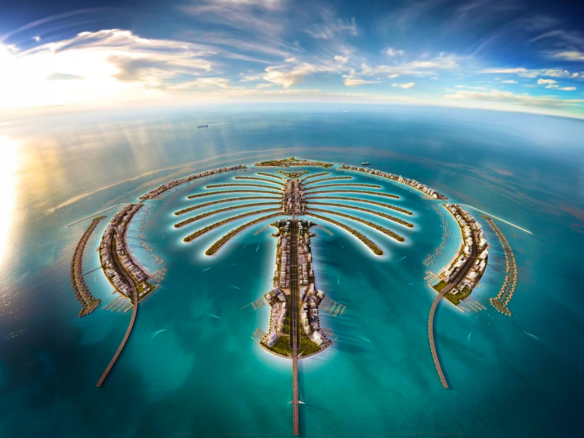
Dubai has done this before—with Palm Jumeirah being the most obvious example. But here, the approach feels more measured, more integrated, and more aligned with modern lifestyle expectations.
A Limited Collection—On Purpose
In a city known for vertical expansion, this project takes a different route.
Just 99 residences, distributed across:
- Ground level
- Seven floors
- A rooftop layer
That’s not a constraint—it’s a decision.
Smaller-scale developments like this often signal a shift away from volume-driven construction toward controlled, curated living environments. It’s less about how many units exist, and more about how they’re experienced.
The Rise of “Serviced Living”
This is where things get more interesting.
The concept of serviced residences has been around for years—but its role is changing rapidly.
Today, demand is being shaped by a different kind of buyer:
- People who live across multiple cities
- Investors who don’t want operational complexity
- Residents who prioritize convenience over ownership responsibilities
That’s why there’s growing interest in:
- Fully managed homes
- Hotel-style services within residential spaces
- Properties that function both as personal use and income-generating assets
This isn’t a niche anymore—it’s becoming a core segment of the market.
Designed Around Experience, Not Just Space
Architecturally, the direction is clear.
The focus isn’t density—it’s experience:
- Maximizing natural light
- Creating seamless sea-facing views
- Maintaining open, flexible layouts
This aligns with a broader trend in waterfront developments, where design is less about fitting more units and more about enhancing how space feels.
Because increasingly, buyers aren’t just evaluating square footage—they’re evaluating how a place makes them feel.
A Timeline That Reflects Confidence
With a projected completion around 2029, the development sits firmly within Dubai’s long-term planning cycle.
And that matters.
Multi-year timelines often indicate:
- Confidence in sustained demand
- Alignment with infrastructure expansion
- A shift toward structured, phased development
Dubai’s market today is less about quick delivery—and more about strategic growth.
Fun Facts That Add Perspective
- Branded residences are among the fastest-growing global real estate segments
- Dubai continues to attract high-net-worth individuals at record levels
- Limited-inventory projects (like 99 units) often hold stronger long-term value
- The idea of “living like a guest in your own home” is becoming a defining trend
What the Market Is Quietly Demanding
If you zoom out, the shift becomes obvious.
Today’s buyers are looking for:
- Flexibility in how they use their property
- Ease of ownership and maintenance
- Lifestyle-driven locations
- Professionally managed environments
And developers are responding accordingly.
Projects like this aren’t experimental—they’re answers to evolving expectations.
What This Project Really Signals
Rather than viewing this as a standalone launch, it’s more useful to see it as part of a broader pattern.
- Hospitality and Real Estate Are Merging
The line between hotels and homes is becoming increasingly blurred. - Waterfront Living Still Leads
Coastal developments remain central to Dubai’s long-term vision. - Smaller, Curated Communities Are Gaining Ground
Not every project is aiming for scale—some are prioritizing experience. - Global Brands Are Expanding Here
The presence of operators like Cheval Collection reflects strong international confidence in Dubai.
The Bigger Picture
For years, Dubai real estate has been discussed in terms of price, ROI, and growth.
But that’s no longer the full story.
Now, the conversation is shifting toward:
- Convenience
- Flexibility
- Experience
And perhaps most importantly—how people actually want to live.
Final Thought
Cheval Residences at Dubai Islands is not just another addition to Dubai’s property landscape. It reflects a set of changes already underway—where ownership, hospitality, and lifestyle are becoming increasingly interconnected.
And while it may be one project among many, it offers a useful glimpse into where Dubai’s real estate market is heading next.