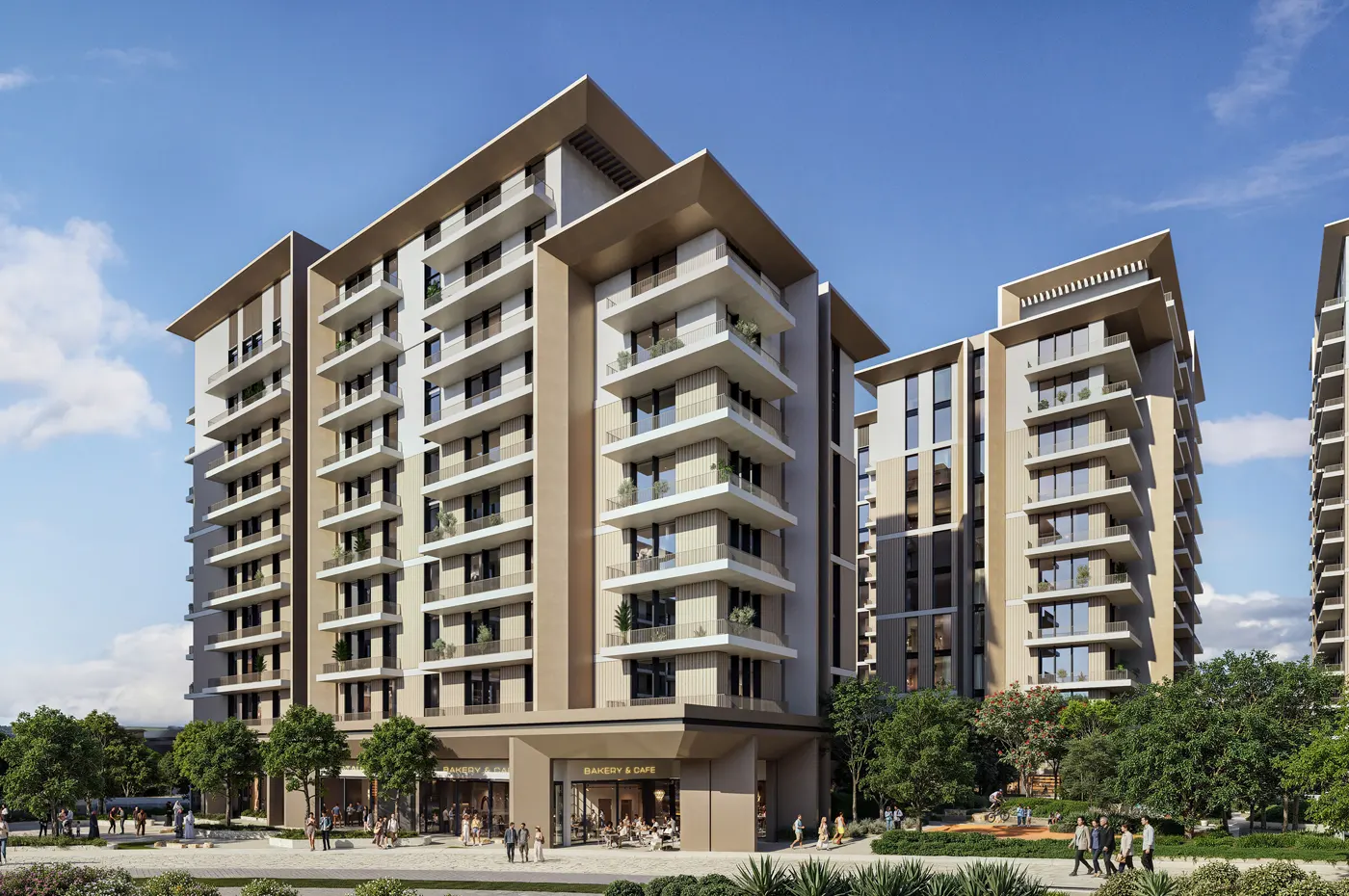
Dubai has become one of the world’s top real estate markets, attracting global investors with its futuristic skyline, safety, and tax-friendly policies. However, before purchasing property, it is crucial to understand the laws and processes involved. Let us explore the legal framework and key regulations for non-residents interested in investing in Dubai real estate.
A Brief History of Real Estate in Dubai
In the 2000s, Dubai opened its real estate sector to foreign investors, with key developments like freehold ownership in certain areas. This shift led to rapid growth, but also brought challenges, such as the 2008 global financial crisis, which temporarily slowed down the market. However, Dubai’s real estate market rebounded strongly, and in 2024, it reached record-breaking transactions, confirming its global status.
Key Laws and Regulations Shaping Dubai’s Real Estate
Law No. 7 of 2006 (Dubai Real Estate Registration Law)
This law established freehold property rights for UAE and GCC nationals across Dubai, extending these rights to foreigners in specific freehold areas. All property transactions must be registered with the Dubai Land Department (DLD) to ensure transparency.
RERA (Real Estate Regulatory Agency) – 2007
RERA, formed by the DLD, ensures transparency and accountability in Dubai’s real estate market. It regulates brokers, developers, and service providers to maintain fair practices.
Strata Law – Law No. 27 of 2007
This law governs joint ownership in apartment complexes, ensuring the proper management and maintenance of shared spaces, such as hallways and gardens.
Ejari System – 2007
The Ejari system regulates tenancy agreements to ensure legal protection for both landlords and tenants by officially registering all rental contracts.
Simsari Portal – 2012
Mandatory registration of property listings by brokers through the Simsari Portal has helped reduce fake listings, making the market more transparent.
Golden Visa Regulation – 2019
Investors buying property worth AED 2 million or more can qualify for a long-term residency visa under the Golden Visa scheme, making Dubai even more attractive to international buyers.
Legalities for Non-Residents
Freehold Ownership
Since 2002, non-residents have been able to buy property in designated freehold areas such as Downtown Dubai, Palm Jumeirah, and Dubai Marina. This grants ownership of both the building and the land beneath it.
Leasehold Ownership
Outside freehold zones, non-residents can opt for leasehold rights, typically lasting up to 99 years.
No Residency Requirement
Non-residents can purchase property without a UAE residence visa, though investing in property may qualify them for a visa.
The Buying Process and Documentation
- Valid passport (no residency required)
- Sign a Sales & Purchase Agreement (SPA)
- Pay the 4% DLD transfer fee.
- Register the property with the DLD to receive a title deed.
Costs, Taxes, and Mortgages
- 4% DLD fee
- Real estate agent commission (typically around 2%)
- 5% VAT on certain services
- No property tax or capital gains tax
- Mortgages available for non-residents with a minimum income requirement around AED 15,000 per month
Residency Visas Through Property
- Properties worth AED 750,000+ qualify buyers for a 2-year residency visa.
- Properties worth AED 2 million or more qualify buyers for a 10-year Golden Visa.
Market Highlights (2025)
In the first half of 2025, Dubai’s real estate market saw a 25% increase in transactions compared to the previous year, reaching almost AED 431 billion. Property prices have risen by 15.8%, with villas seeing a 17.8% increase.
Dubai’s real estate market is full of opportunities, but navigating it requires understanding the legal landscape. By choosing to buy property through a RERA-registered company, you protect your investment, avoid legal pitfalls, and gain access to a wealth of professional expertise. Whether you are a first-time homebuyer or an experienced investor, working with a RERA-registered broker provides the peace of mind you need to make informed decisions. If you are looking for a trusted RERA-registered company to guide you through the Dubai property market, companies like Binayah Properties offer reliable and transparent services to help you every step of the way.
FAQs