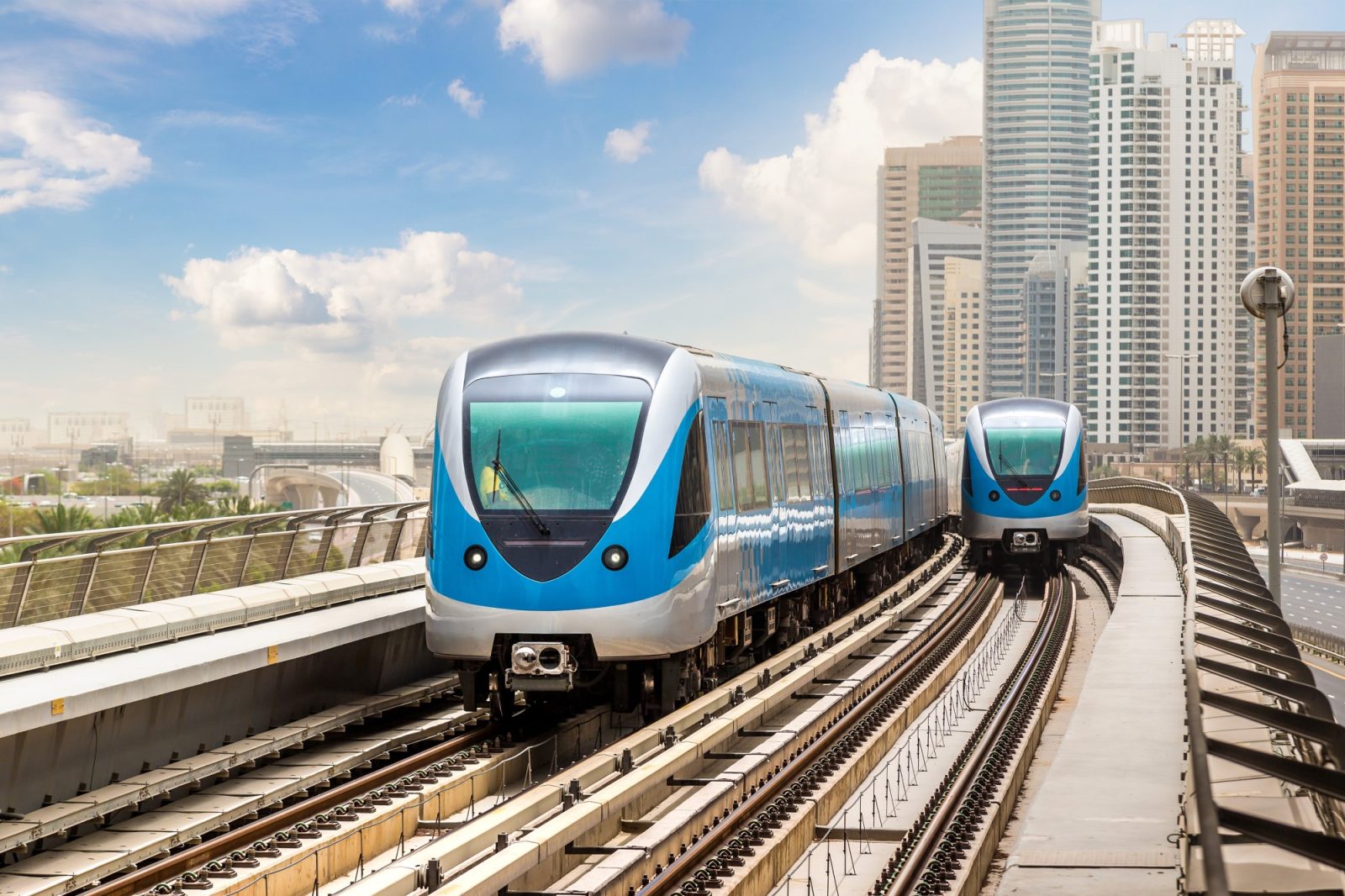
Dubai has a long history of infrastructure projects transforming entire communities, but few developments have had as much impact on real estate values as the Dubai Metro. From Dubai Marina and JLT to DIFC and Deira, metro connectivity has consistently increased demand, improved accessibility, and boosted property prices.
Now, Dubai is preparing for the next major chapter with the Dubai Metro Blue Line, a AED 20.5 billion infrastructure project scheduled for completion in September 2029. While trains are still years away from operation, investors are already turning their attention toward the communities that will benefit from this landmark expansion.
The question is no longer whether the Blue Line will influence Dubai’s property market. The real question is which areas will benefit the most and whether investors can position themselves before prices fully reflect the opportunity.
Dubai Metro Blue Line Overview
The Dubai Metro Blue Line is a 30-kilometre extension designed to connect several rapidly growing communities to the city’s existing metro network. The project includes 14 new stations and is expected to serve more than one million residents by 2040.
One of the most important features of the Blue Line is its strategic route. The line will connect key residential, educational, commercial, and technology hubs, creating easier access to employment centers, educational institutions, and Dubai International Airport.
The project will link:
- Dubai Creek Harbour
- Dubai Festival City
- Ras Al Khor
- International City
- Mirdif
- Al Warqa
- Dubai Silicon Oasis
- Academic City
- Al Jaddaf
Through interchange stations connecting with the Red and Green Metro Lines, residents will gain access to the wider Dubai Metro network, significantly reducing travel times across the city.
Why Metro Projects Drive Property Appreciation
Real estate values often rise when transportation infrastructure improves. Better connectivity increases convenience for residents, attracts businesses, and expands the tenant pool for investors.
Dubai has already demonstrated this trend through previous metro expansions. Areas surrounding stations on the Red and Green Lines experienced substantial increases in both rental demand and property values after metro connectivity was introduced.
Industry research indicates that properties located close to metro stations have historically outperformed comparable non-metro communities. Investors who entered early often benefited from both capital appreciation and stronger rental growth.
The Blue Line is expected to follow a similar pattern, particularly in communities that have traditionally relied heavily on private vehicles.
Key Areas Expected to Benefit
Dubai Creek Harbour
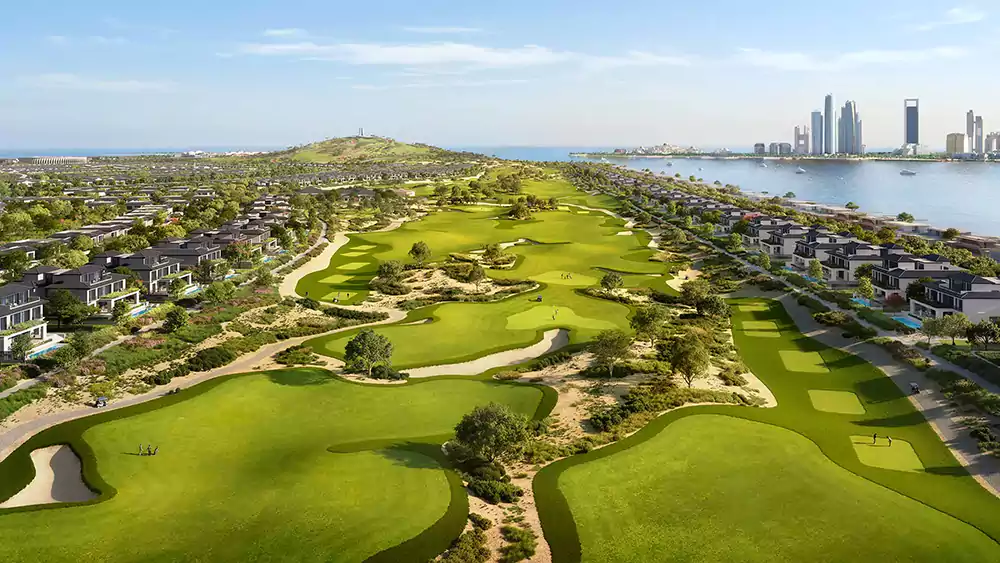
Dubai Creek Harbour is widely considered one of the strongest long-term opportunities along the Blue Line route. Developed as a waterfront destination by Emaar, the community combines luxury residences, retail offerings, and spectacular waterfront views.
The arrival of direct metro connectivity will make the area more attractive to both residents and international investors. The planned Emaar Properties Station, expected to become the world’s highest metro station, further strengthens the area’s profile.
Dubai Silicon Oasis
Dubai Silicon Oasis has evolved into a thriving technology and business district. Home to thousands of companies, the community already benefits from strong demand from professionals and entrepreneurs.
Metro connectivity is expected to further increase residential demand while improving access to business districts throughout Dubai. For investors seeking a combination of rental income and future appreciation, Dubai Silicon Oasis remains one of the most promising Blue Line destinations.
International City
International City occupies a unique position within the Blue Line network due to its role as a major interchange point. Historically known for affordability, the community may experience a significant repositioning as metro access improves connectivity across Dubai.
Its relatively affordable property prices continue to attract investors seeking value-oriented opportunities with strong growth potential.
Academic City
Academic City represents one of the most compelling rental investment opportunities along the Blue Line corridor. The district serves a large student population and hosts numerous educational institutions.
Growing student enrollment, combined with improved transportation access, is expected to strengthen rental demand even further in the years leading up to the metro’s completion.
Mirdif and Al Warqa
These established family-oriented communities have long been popular among residents seeking larger homes and quieter surroundings. However, transportation accessibility has historically been a limitation.
The Blue Line removes this challenge by introducing direct metro connectivity, making both communities more attractive to families, professionals, and long-term residents.
Dubai Festival City
Dubai Festival City already benefits from a mature mix of residential, retail, hospitality, and commercial offerings. Metro connectivity will enhance accessibility while supporting future demand from both residents and visitors.
For investors seeking relatively stable returns with lower risk, Dubai Festival City presents an attractive option.
Lessons from Previous Metro Expansions
History offers valuable insight into what may happen next.
When the Red Line launched in 2009 and the Green Line followed in 2011, many communities experienced substantial growth in property values over the following years. Areas such as Dubai Marina, JLT, Downtown Dubai, and DIFC evolved into some of Dubai’s most sought-after locations.
The common factor was improved connectivity.
As transportation became easier, demand increased. Businesses expanded, tenant pools grew, and property prices followed.
While past performance does not guarantee future results, the Blue Line’s scale and strategic route suggest a similar growth cycle may already be underway.
Is Now the Right Time to Invest?
Infrastructure-led investment opportunities typically move through three stages.
The first stage occurs before construction gains widespread attention, when prices remain relatively inefficient. The second stage begins as visible progress attracts broader market participation. The final stage arrives closer to completion, when much of the anticipated appreciation has already been priced into the market.
With the Blue Line expected to open in 2029, many investors believe Dubai is currently transitioning between the first and second stages of this cycle.
For buyers seeking long-term growth, this period may represent an opportunity to secure assets before connectivity becomes a reality.
Investment Considerations
Investors evaluating Blue Line opportunities should focus on several key factors:
- Properties located within walking distance of future stations
- Communities with strong existing rental demand
- Areas benefiting from interchange stations
- Off-plan projects positioned near confirmed metro routes
- Locations with strong long-term population growth
Among the Blue Line communities, Dubai Creek Harbour, Dubai Silicon Oasis, Academic City, and International City currently stand out as some of the strongest candidates for future appreciation.
Final Thoughts
The Dubai Metro Blue Line is more than a transportation project. It is a city-shaping infrastructure investment that has the potential to transform multiple communities across Dubai.
With AED 20.5 billion committed, 14 new stations planned, and completion targeted for September 2029, the project represents one of the most significant real estate catalysts currently underway in the emirate.
For investors, the opportunity lies not in reacting after the trains begin operating but in identifying the communities likely to benefit before the market fully prices in the transformation.
As Dubai’s previous metro expansions have shown, infrastructure and real estate growth often move hand in hand—and the Blue Line may become the city’s next major property success story.